
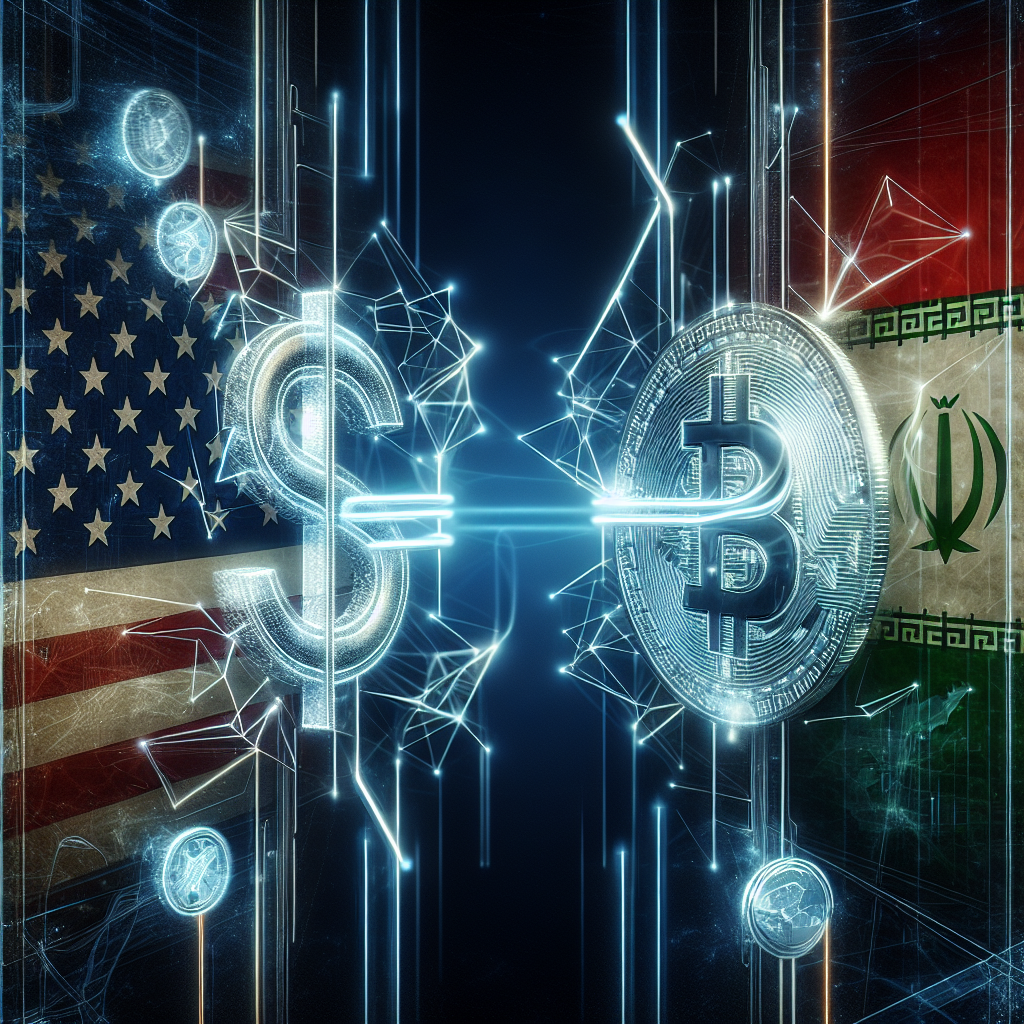
In a groundbreaking move, the United States has imposed sanctions on several cryptocurrency exchanges allegedly tied to Iran. The targeted exchanges stand accused of facilitating transactions for the Islamic Revolutionary Guard Corps (IRGC), marking a significant escalation in the U.S. government’s efforts to clamp down on illicit financial activities within the crypto space.
This decisive action highlights the ongoing global tensions between the U.S. and Iran, with cryptocurrency exchanges now in the crosshairs of international sanctions. The exchanges are reportedly linked to a notorious Iranian businessman, who has already been convicted of embezzlement, further complicating the geopolitical and financial landscape.
Details of the Sanctions
According to U.S. officials, the sanctioned exchanges played a crucial role in enabling the IRGC to bypass traditional financial systems, thereby avoiding international sanctions previously imposed on Iran. These sanctions are part of a broader strategy to curb Iran’s alleged sponsorship of terrorism and its nuclear ambitions.
The U.S. Department of the Treasury’s Office of Foreign Assets Control (OFAC) has been at the forefront of these efforts, meticulously tracking financial transactions that could potentially aid Iran’s strategic objectives. The inclusion of crypto exchanges in these sanctions underscores the adaptability of regulatory bodies to the evolving nature of financial crimes.
Implications for the Crypto Industry
This action sets a precedent for how governments may approach regulation and enforcement in the cryptocurrency sector moving forward. While the decentralized nature of cryptocurrencies offers many advantages, it also poses challenges for regulators looking to curb misuse.
For legitimate crypto exchanges and stakeholders, this move serves as a stark reminder of the importance of robust compliance mechanisms. Exchanges are now more than ever required to implement stringent Know Your Customer (KYC) and Anti-Money Laundering (AML) protocols to prevent becoming conduits for illegal activities.
Reactions and Future Outlook
The sanctions have elicited a range of responses from the crypto community and international observers. Some argue that this is a necessary step to preserve the integrity of the financial system, while others worry it may stifle innovation in the blockchain space by imposing overly stringent regulations.
Moving forward, the industry might see increased collaboration between regulatory bodies and crypto firms. This could lead to more standardized practices and possibly new technologies aimed at enhancing transparency and traceability in crypto transactions.
The impact of these sanctions will likely reverberate across the global financial markets, prompting other countries to evaluate their own regulatory frameworks concerning cryptocurrency exchanges. As the situation develops, stakeholders within the crypto industry will need to navigate this complex regulatory environment with caution and foresight.
In conclusion, the U.S. sanctions on crypto exchanges tied to Iran mark a pivotal moment in the intersection of international politics and digital finance. While this move underscores the potential risks associated with cryptocurrencies, it also highlights the ongoing evolution of regulatory frameworks in response to new technological realities.
🛒 Recommended Product: Check out top-rated crypto gear on Amazon